


-

Add: HeBei ShengShi HongBang Cellulose Technology CO.,LTD.
-

Email
13180486930@163.com -

CONTACT US
+86 13180486930
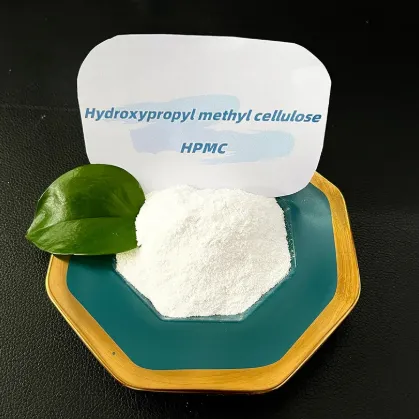



Understanding the properties and applications of HPMC K15M viscosity is critical for industries ranging from pharmaceuticals to construction. Hydroxypropyl methylcellulose (HPMC) is a multifunctional compound used primarily for its thickening and stabilizing properties. The alphanumeric code K15M denotes a particular viscosity grade that plays a significant role in determining its application suitability. When discussing the viscosity of HPMC K15M, we refer to the measure of its resistance to flow. Viscosity impacts the performance of HPMC in various formulations; hence, understanding its breadth can enhance application outcomes. The viscosity of HPMC K15M lies typically between 12,000 to 18,000 mPa.s, measured in a 2% solution at 20°C. This specific viscosity makes it a versatile option for formulations requiring medium to high viscosity levels. In pharmaceutical applications, the HPMC K15M grade finds extensive use in controlled release formulations. It acts as an essential component in hydrophilic matrices designed to extend the release of active pharmaceutical ingredients (APIs). The high viscosity of HPMC K15M provides a protective gel barrier when it comes in contact with gastrointestinal fluids. This gel barrier modulates the diffusion of APIs, thereby achieving a precise drug release profile. The expertise in formulating these controlled release systems requires a detailed understanding of how HPMC's viscosity interacts with other ingredients and its impact on overall pharmacokinetics. Beyond pharmaceuticals, HPMC K15M is pivotal in the construction industry, particularly in tile adhesives and mortars. The compound's viscosity contributes to increased water retention which ensures a longer open time and improves the workability of the mixtures. Experience shows that formulations including HPMC K15M provide superior consistency and adhesive strength. The expertise in balancing viscosity with other mechanical properties can result in end-products that are more durable and efficient. In the realm of food products, HPMC K15M serves as a thickening agent . It enhances the texture and stability of various food items without altering their taste or color. For instance, in gluten-free products, HPMC K15M imparts the necessary dough elasticity, ensuring the product mimics traditional gluten-containing bread or pastries. The authority in food science recognizes the importance of such ingredients in creating innovative and consumer-friendly products. In this context, the trustworthiness of HPMC K15M is underscored by its acceptance by food safety authorities, such as the FDA, recognizing it as safe for consumption. hpmc k15m viscosity Moreover, from a sustainability standpoint, HPMC K15M is derived from cellulose, the most abundant organic polymer on Earth. This aligns with eco-friendly production goals across various industries seeking to diminish their environmental footprint. The utilization of HPMC K15M reflects a knowledgeable approach to integrating green chemistry principles in commercial manufacturing processes, further establishing its role in sustainable product development. Finally, the trustworthiness of this compound can be best understood through its consistent performance and regulatory compliance. Industries leveraging HPMC K15M in their formulations benefit from its predictable behavior across different environments and its conformance to stringent quality standards. To maximize HPMC K15M’s potential, industries continue to innovate in formulation techniques. Advanced research focuses on how modifying HPMC’s chemical structure could lead to even more versatile applications and improved product qualities. Yet, as it stands, the benefits provided by the unique viscosity profile of HPMC K15M remain a cornerstone in both high-performance and routine applications. Thus, the exploration of HPMC K15M's viscosity is not merely a technical exercise but a pathway to improved product performance and innovation across multiple industries. Whether enhancing drug delivery mechanisms, improving construction materials, refining food textures, or driving eco-friendly practices, HPMC K15M stands as a testament to the intersection of science and industrial application.
- 40000tons

Production
- 20+years

Experience
- 5000+㎡

Acreage

-

Unveiling the Potential of HPMC E5 in Modern Industries Hydroxypropyl Methylcellulose (HPMC) E5 is gaining recognition across various industries due to its versatility and enhanced performance properties. As a high-quality chemical compound, HPMC E5 has carved a niche for itself, especially in the construction, pharmaceutical, and food sectors, due to its ability to provide stability, texture, and functionality. Real Experience Many companies have successfully integrated HPMC E5 into their manufacturing processes with remarkable outcomes. For instance, in the construction industry, HPMC E5 is valued for its water retention and workability enhancement properties. Construction professionals have observed a significant increase in the durability and consistency of cement-based structures. This firsthand experience emphasizes its role in producing top-grade construction materials, where consistency and longevity are paramount. Expertise Chemists and product developers recognize HPMC E5 for its exceptional properties that allow it to perform effectively across a variety of applications. In the pharmaceutical industry , it excels as a binder and film former in tablet formulations. Its uniform viscosity contributes to the efficient production of tablets with optimal disintegration properties, ensuring the safe and effective delivery of active ingredients. This expertise in employing HPMC E5 highlights its importance in developing high-quality pharmaceutical solutions. Authoritativeness Numerous studies and industrial reports corroborate the advantages of HPMC E5, further solidifying its credibility. Its role in enhancing the quality of consumer goods is backed by scientific research, which underscores its non-toxic and biodegradable nature, aligning with global environmental standards. The authoritative data present HPMC E5 as an industry-approved choice for companies aiming to meet stringent regulatory standards while optimizing production efficiency. hpmc e5 Trustworthiness The trust in HPMC E5 is bolstered by its compliance with international safety and quality standards. It is recognized by governing bodies such as the FDA and ECHA, which assures manufacturers of its safety in various applications. Consumer safety is a top priority, and HPMC E5 meets these expectations by being a reliable ingredient in products consumed and utilized globally. In the food industry, HPMC E5 stands out as a stabilizer and thickener in various formulations. Its ability to enhance texture and retain moisture is particularly beneficial in the production of gluten-free products. Professional bakers have noted that HPMC E5 helps improve the quality of gluten-free bread, providing a desirable crumb structure and mouthfeel. This adaptability underscores its value in catering to the evolving consumer preferences, particularly the rising demand for gluten-free diets. The multifaceted benefits of HPMC E5 are further acknowledged by its growing market presence. Companies leveraging this ingredient often experience enhanced product performance and increased consumer satisfaction, translating to a competitive edge in their respective industries. In conclusion, HPMC E5 is a testament to how a well-researched and expertly applied chemical can significantly impact product quality and innovation. Its use is supported by real-world experiences, expert insights, authoritative studies, and a proven track record of safety and efficacy. For businesses looking to optimize their production processes and enhance their product offerings, incorporating HPMC E5 could prove to be a transformative decision.
-
يمكن أن يتساءل الكثيرون حول فعالية وقوة استخدام الغراء HPMC في مجالات البناء والتشييد. هذا المنتج ليس مجرد مادة لاصقة تقليدية؛ بل هو ابتكار حديث في عالم المواد اللاصقة، يرتكز على تجربة استخدام تتسم بالإبداع والجودة العالية. تجربة استخدام HPMC adhesive تعتمد بشكل كبير على تقديم حلول مبتكرة ومستدامة للمهندسين والمعماريين. إن استخدام الغراء HPMC يعزز من متانة البناء، حيث إنه يتميز بخصائص تجعله خيارًا مثاليًا للمشاريع التي تتطلب دقة في الأداء واستمرارية في الجودة. الأشخاص الذين عملوا مع HPMC adhesive وجدوا أنه يمتلك قدرة فائقة على التحمل في مختلف الظروف البيئية، مما يجعله مناسبًا لمجموعة واسعة من التطبيقات سواء في الأجواء الرطبة أو الجافة. الخبرة في العمل مع HPMC تتطلب فهمًا عميقًا لتركيبته الكيميائية التي تعتمد على السليلوز، المعروف بكونه مادة طبيعية بيولوجية تمامًا. هذه التركيبة تجعل من الغراء HPMC مادة صديقة للبيئة، حيث أنها لا تحتوي على أي مكونات سامة . بفضل هذه الخصائص، يتميز الغراء بقدرته على الربط الفعال للمواد المختلفة مثل البلاط، والرخام، وحتى الزجاج، دون ترك أي آثار ضارة على البيئة أو على صحة الإنسان. HPMC اللاصق من الناحية المهنية، لا شك أن HPMC adhesive يُنظر إليه كمادة رائدة بالمجال بسبب قدرته على تقليل الهوامش الخطأ أثناء الإنشاءات. المهندسون العرب الذين جربوا هذه المادة أكدوا على سهولة استخدامها وفعاليتها في الخلط مع مواد البناء الأخرى لخلق قوام متجانس يزيد من كفاءة العمل ويقلل من الوقت المستغرق لإنجاز المشاريع الكبيرة. أما بالنسبة للموثوقية، فإن منتجات HPMC تصدر دومًا عن شركات معترف بها في مجال البناء، حيث تخضع لاختبارات صارمة للتأكد من أنها تلبي أعلى معايير الجودة العالمية. يشيد المهنيون في هذا المجال بالدعم الفني الذي توفره الشركات المصنعة، والذي يتضمن إرشادات مفصلة وتوجيهات حول كيفية تحقيق أقصى استفادة من الغراء HPMC في المشاريع المختلفة. في الختام، يمثل غراء HPMC adhesive حقبة جديدة في عالم البناء، جامعاً بين الكفاءة والجودة، والتوافق البيئي. إن موثوقيته المهنية ومزاياه المتعددة جعلته المنتج الأكثر رواجًا بين المختصين في القطاعات الإنشائية، مما يعزز من موقعه كخيار أول لمن يسعون لإيجاد حلول لاصقة تعتمد على التكنولوجيا المتقدمة والابتكار. إذا كنت تبحث عن مادة لاصقة تجمع بين الخبرة المتقدمة والثقة المهنية في آن واحد، فإن HPMC adhesive هو بالتأكيد الخيار الذي يجب أن تفكر فيه.
advantages
-

200000 Viscosities
Excellent product
We can produce pure products up to 200,000 viscosities
-

40000 tons
High yield
We don’t stop production all year round, and the annual output can reach 40,000 tons
-

24 hours
Quality service
We provide 24-hours online reception service, welcome to consult at any time
———— Inquiry Form
Schedule A services

-
 starch_phosphate
Oct . 25, 2025
Exploring HPMC E15 A Versatile Excipient in Pharmaceutical Applications Hydroxypropyl Methylcellulos - selulosi_kuni_putty
Oct . 25, 2025
When it comes to pharmaceutical excipients, one of the highly essential components is Hypromellose, -
 hpmc_k4m_viscosity
Oct . 25, 2025
Hydroxypropyl methyl cellulose (HPMC) is a synthetic polymer used across varied industries, includin


